
W series foams were specifically developed for creating upholstery materials that combine optimal softness and flexibility. — flexibility and memory — excellence in exceptional flexibility and long-term elastomeric memory, even under prolonged stress. — stability and durability — dimensional stability and long-term performance retention. — precise matching — a wide range of densities, hardness levels, and behaviors allowing for matching across diverse applications, including visco-elastic foam. — cushioning — excellence in energy absorption and damping. — simplified work — eliminates the need for complex manufacturing processes, allowing for simple and economical production.
W series foams were specifically developed for creating upholstery materials that combine optimal softness and flexibility. The systems excel in dimensional stability and resistance to loads while maintaining their properties and behavior without change over long periods.
Unique Features and Developments
The series allows for precise matching to diverse applications through the development of unique formulations: — cushioning and acoustics — excellence in energy absorption and superior acoustic properties for noise reduction. — visco-elastic sponge — a unique development of “memory” foam that fits itself precisely to the body’s shape. Originally developed to prevent bedsores in bedridden patients and now used for luxury mattresses and pillows requiring prolonged support. — design flexibility — the system allows for a wide spectrum of physical features, including the option for flame retardants or antistatic components.
Manufacturing Methods and Technology
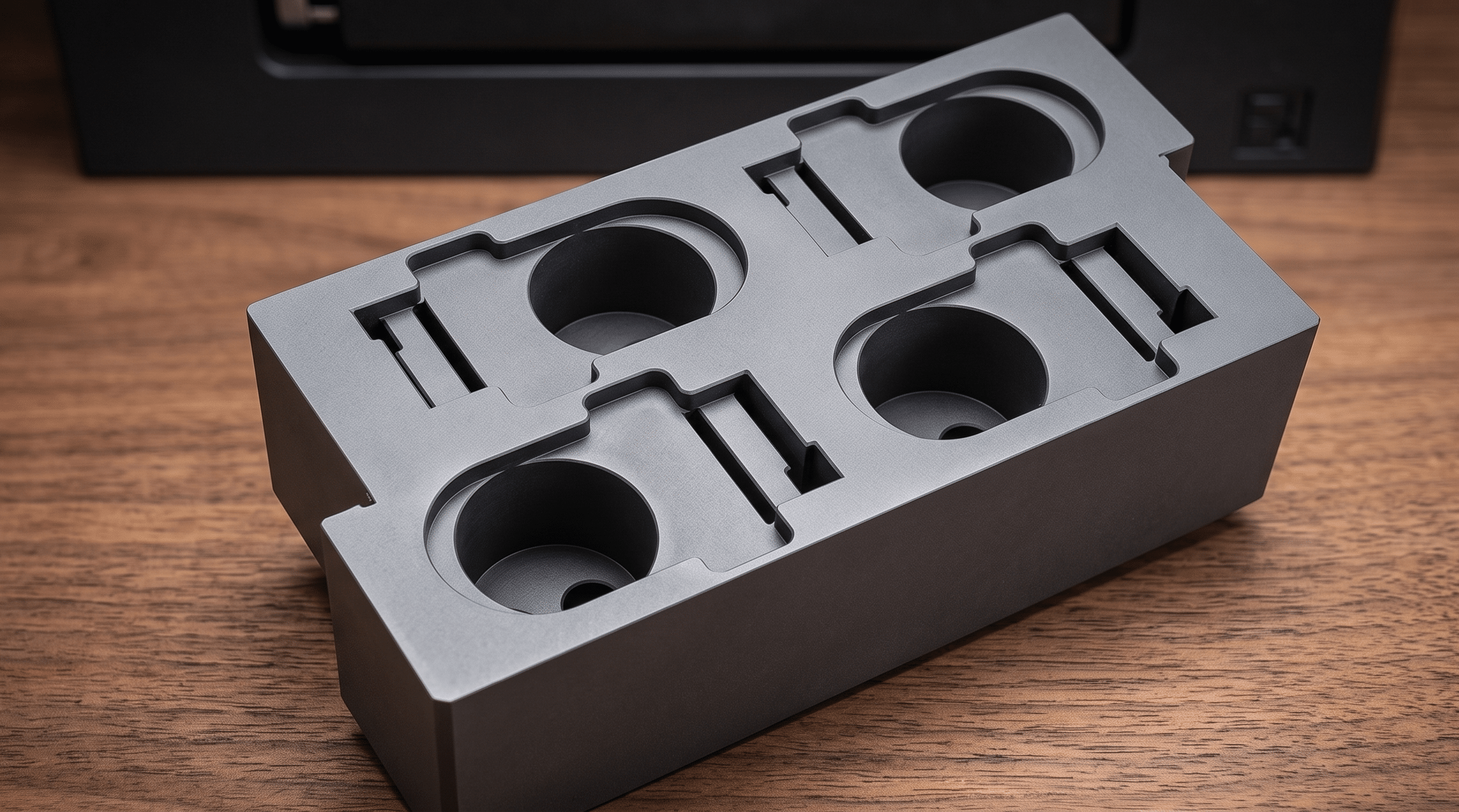
The W series eliminates the need for complex production processes, allowing for simple and economical work: — working method — casting a two-component mixture into relatively inexpensive molds. Mixing can be performed manually or with a machine. — two-phased casting process — a development allowing for the casting of a rigid frame (D series) followed by the casting of flexible padding (W series) in the same mold. This process creates complete armchairs or components without the need for manual bonding and secondary processing, significantly reducing production costs.
Technical Specifications (W Series)
| Feature | Technical Data |
| Chemical basis | Polyether – urethane |
| Cell structure | Open-cell, flexible |
| Compressive strength | 0.20 – 0.30 kg/cm² |
| Tensile strength | 0.8 – 1.5 kg/cm² |
| Bulk density | Low (for material and weight savings) |
| Optional additives | Flame retardants, antistatic materials |
Common Applications
— transportation — automotive, aviation, and rail: manufacturing of seats and backrests with low weight and high quality for long-term durability. — furniture and sleep — upholstery for seats and beds, manufacturing of orthopaedic mattresses and pillows. — orthopaedics — padding for joint protectors (knee/ankle), padded pads, and upholstery for prostheses. — engineering packaging — flexible padding customized to the product’s shape and weight, including antistatic versions. — acoustics — solutions for noise absorption and vibration insulation.
Logistical and Business Advantages
— no minimum quantity — there is neither minimum quantity nor the necessity to purchase large quantities, suitable even for small projects. — JIT supply — supporting lean inventory management (Just In Time). — production optimization — option to integrate dedicated machinery to shorten production times and reduce the required labor force.