
Arie Katzenstein was a pioneering industrialist and a man of high values who left a deep mark during his short life.
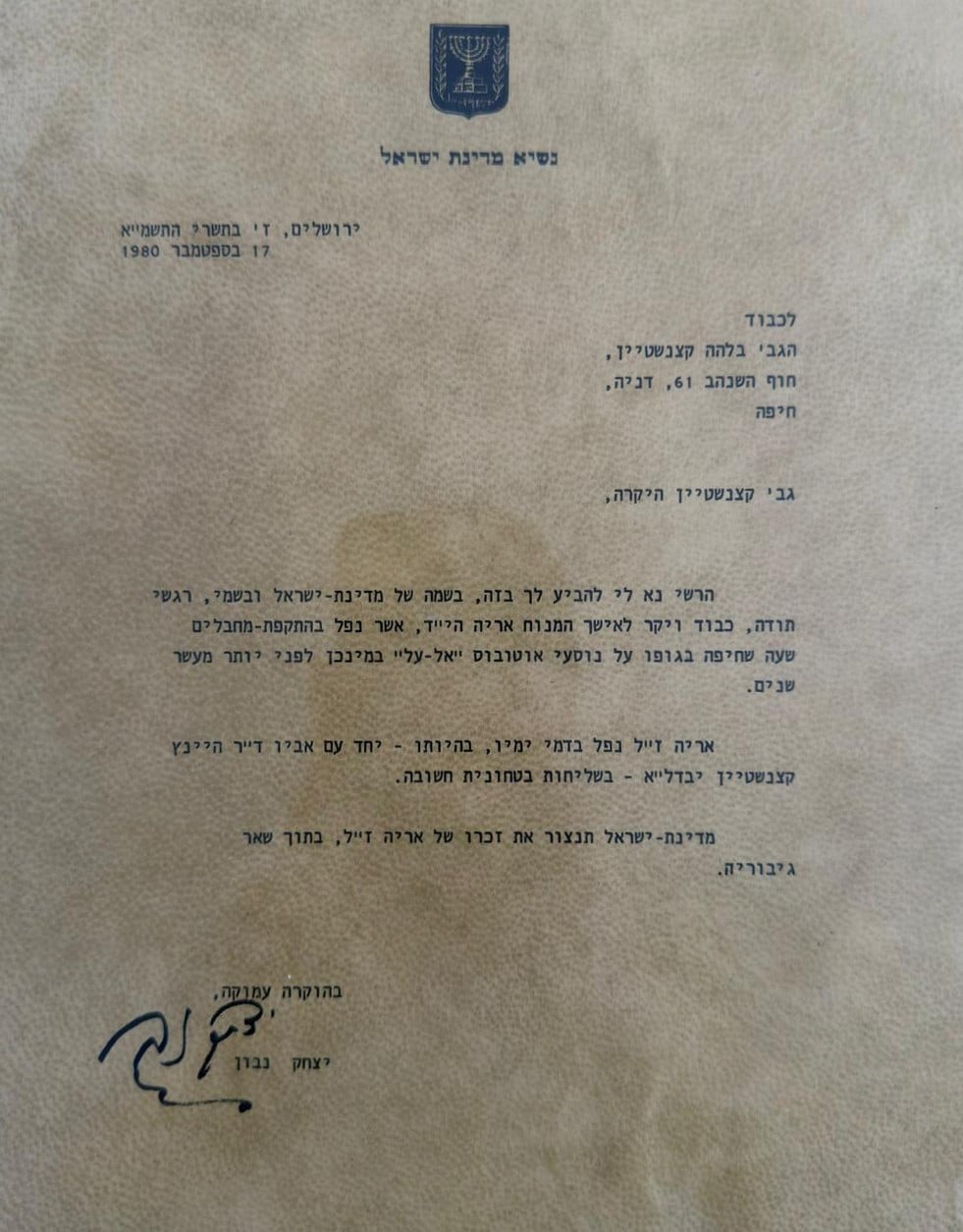
In February 1970, during a terrorist attack in Munich, he managed to throw one grenade out of an El Al passenger bus. Realizing there was no time to save the passengers from the second one, he lay on it, sacrificing his life for others.
Arie — a son, husband, and father of three — fell as a hero of Israel, saving dozens of innocent lives in a single act of pure bravery. His memory remains a symbol of courage and limitless responsibility.
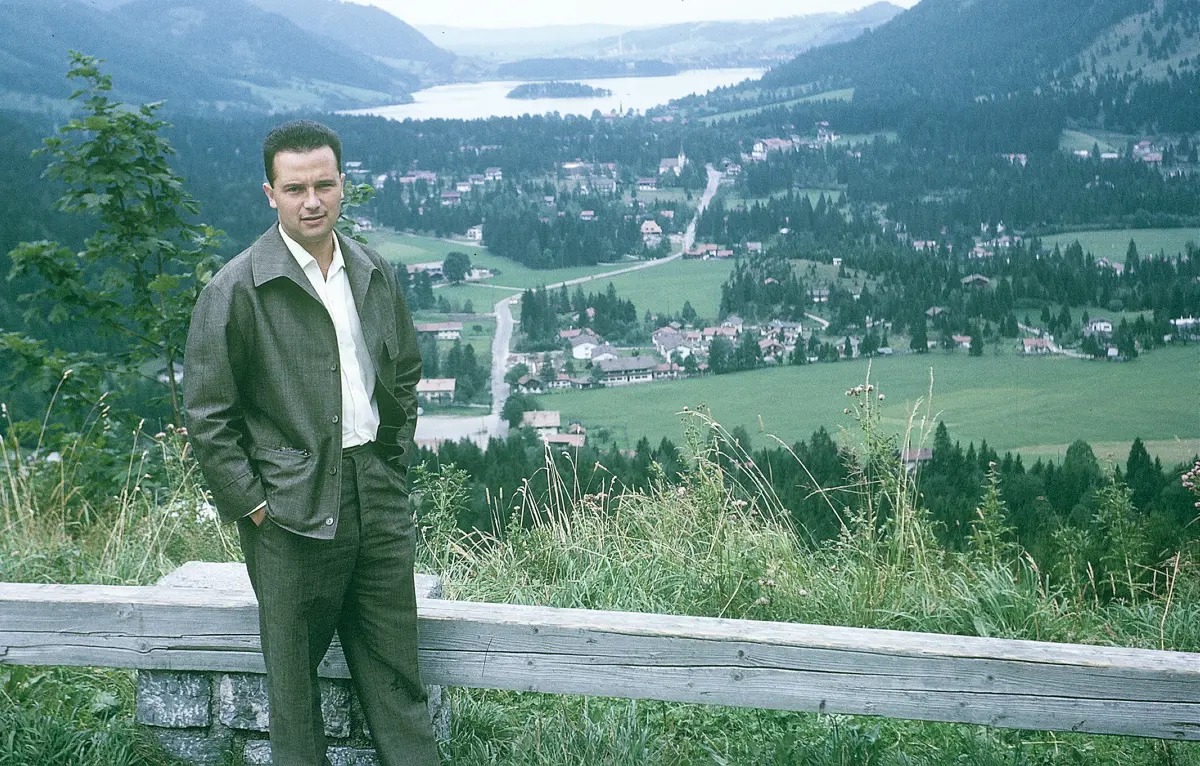
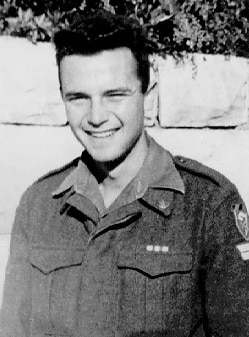
Arie was the son of Miriam and Yaakov-Heinz Katzenstein leaders of the industry in the Haifa Bay. He was educated in Haifa and graduated from the Reali School. In the military, he served as a soldier in Brigade 7, and was known as a modest and practical man traits that guided him throughout his professional and personal life.
After his military service, he traveled to Germany for academic studies. He initially studied veterinary medicine, but driven by personal integrity, he realized that surgical work was not his calling and chose to pivot to architecture and engineering.
In 1961, he married Bilha Levin, and they had three children: Miki, Tami, and Ofer. He set out to build his professional future abroad, balancing a young family with the ambition of establishing a significant industrial plant in Israel.
In the late 1960s, polyurethane was a relatively new field in Israel. Through connections established in Germany, Arie met Dr. Reuter of BASF and TAG. A business partnership was born between Arieh, his father Heinz, and additional partners, and Polyurethane Ltd. was established in 1968.
The company faced an early crisis in 1969 when Dr. Reuter demanded a new partner. Management refused and purchased Reuter’s share. In response, Reuter refused to sell raw materials or transfer professional knowledge. For Polyurethane Ltd., the crisis was real — without raw materials and organized knowledge, the future of the young factory was in danger.
In early 1970, Arie and his father Heinz traveled to England to meet with the BB company — a manufacturer and supplier of raw materials — to sign a formal supply and knowledge agreement that would secure the factory’s continued operations.
In those days, there were no direct flights, requiring a stopover in Munich, Germany. This stop, intended to serve a business purpose and ensure the future of the family industry in Israel, became a tragic historical moment.
During a stopover of El Al Flight 435 to London at Munich airport, passengers were attacked by three terrorists from the Fatah organization. The terrorists threw grenades at the bus transporting the passengers to the aircraft.
Arie noticed a grenade thrown into the bus. With extraordinary resourcefulness, he managed to throw one grenade out of the bus.
When a second grenade was thrown and he realized there was no time to throw it, he made a fateful split-second decision: he lay on the grenade to absorb the force of the explosion and save the lives of the passengers. His father Heinz lay over him.
The explosion occurred. Arie was killed instantly.
Heinz was seriously injured and hospitalized in Munich for three weeks. Arie was the only person killed in the attack — and thanks to his sacrifice, a far greater disaster was averted.
Dozens of passengers were saved because of him.
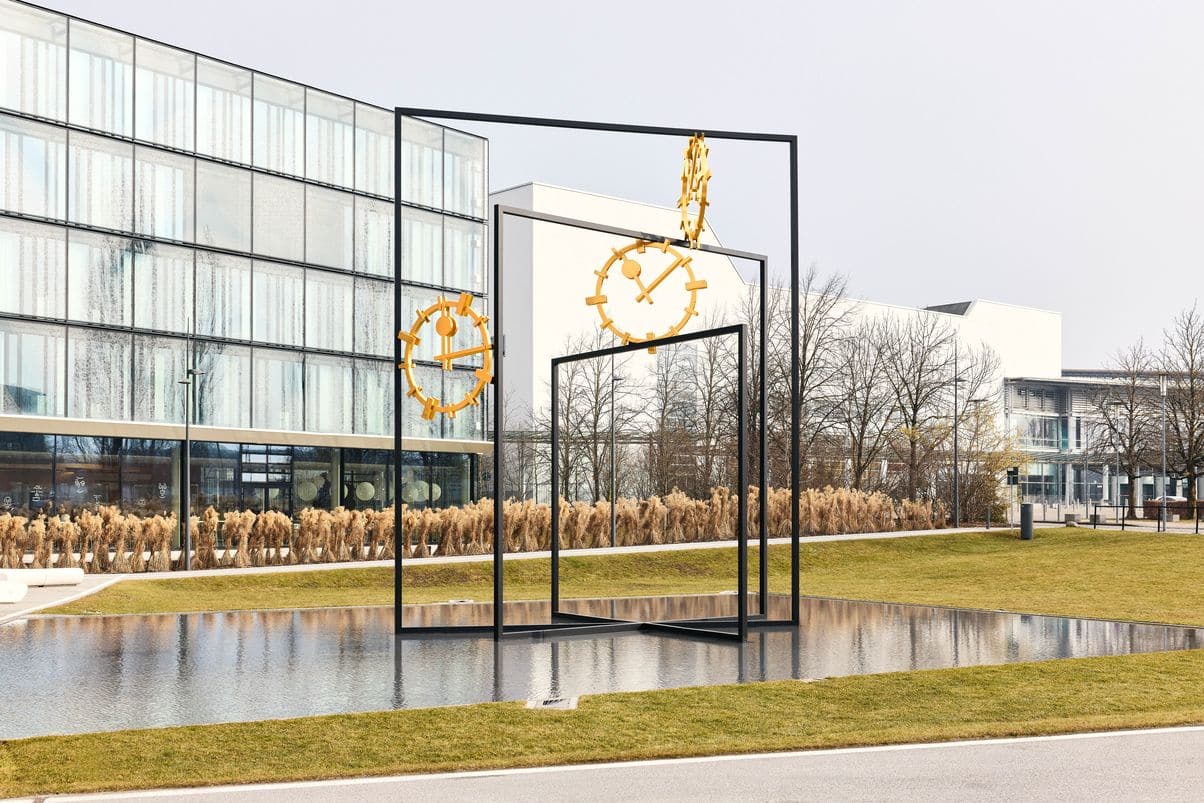
The memorial, designed by artist Alicia Kwade, consists of three steel frames with bronze clock hands — symbolizing the aircraft’s takeoff and arrival times and the hour of the attack. Through this, his figure has become part of historical memory in Germany as well.
Establishing advanced industry in Israel despite crises and international barriers
A Brigade 7 soldier, devoted son, husband, and father who acted without seeking fame
The conscious sacrifice of life to save others
Leave your details and we will get back to you with a relevant quote
השאירו פרטים ונחזור אליכם עם הצעת מחיר רלוונטית