
Dedicated polyurethane represents the forefront of thermal insulation. The material is characterized by an exceptional insulation coefficient while meeting strict environmental standards (GWP < 10). Polyurethane is widely used in Israel and worldwide across an immense variety of applications and products, especially where energy efficiency is a core consideration.
Polyurethane enables the creation of a continuous, cost-effective, and reliable insulation shell for buildings, facilities, and systems. High thermal performance, flexibility, and execution speed make it a leading solution.
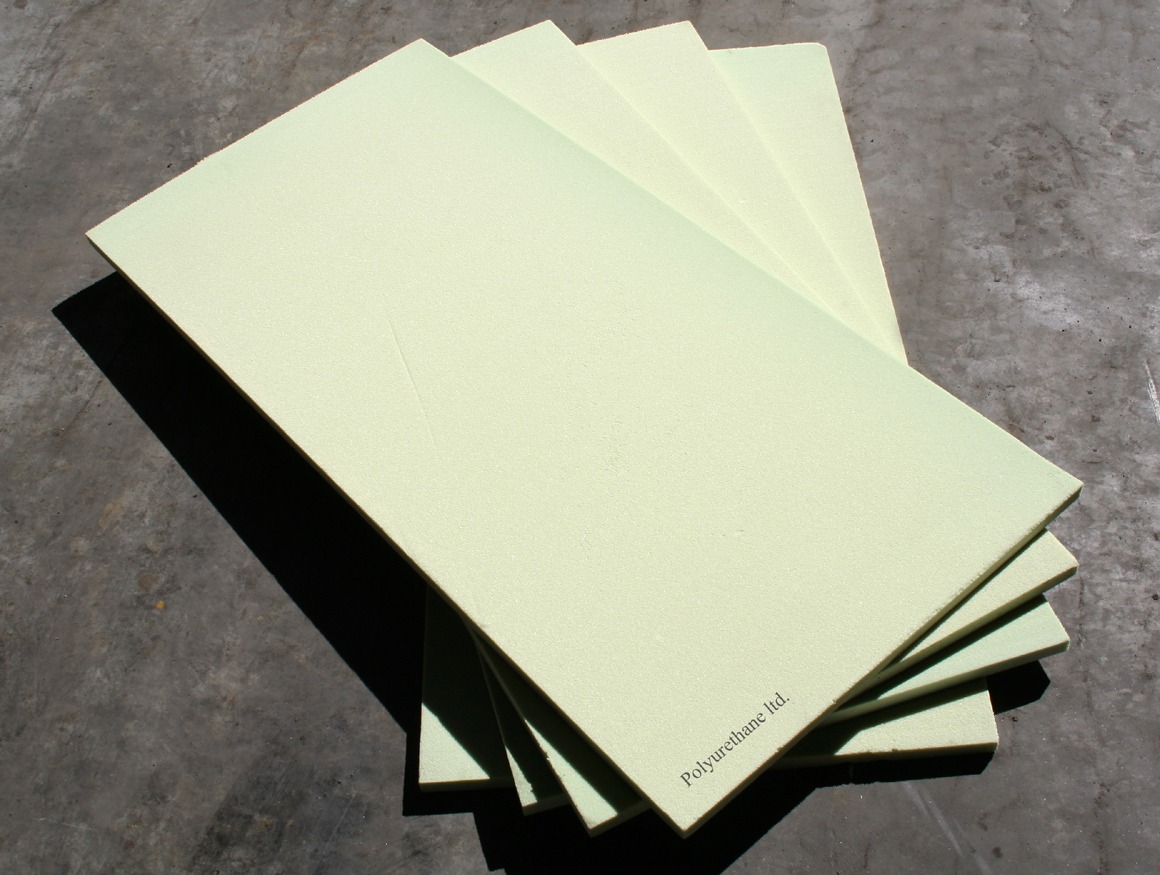

Rigid PU foam has an exceptionally low thermal conductivity coefficient thanks to its dense closed-cell structure. The foam is preserved over many years; therefore, insulation properties do not change over time.
Foamed polyurethane has been used as an effective insulation material in Israel and worldwide for over 50 years.
A high percentage of closed cells gives polyurethane very low water absorption that does not change over time, keeping the insulation effective and reliable for years.
Polyurethane maintains its properties over many years and is highly resistant. Unlike other insulation materials, it does neither “surf” nor change its dimensions.
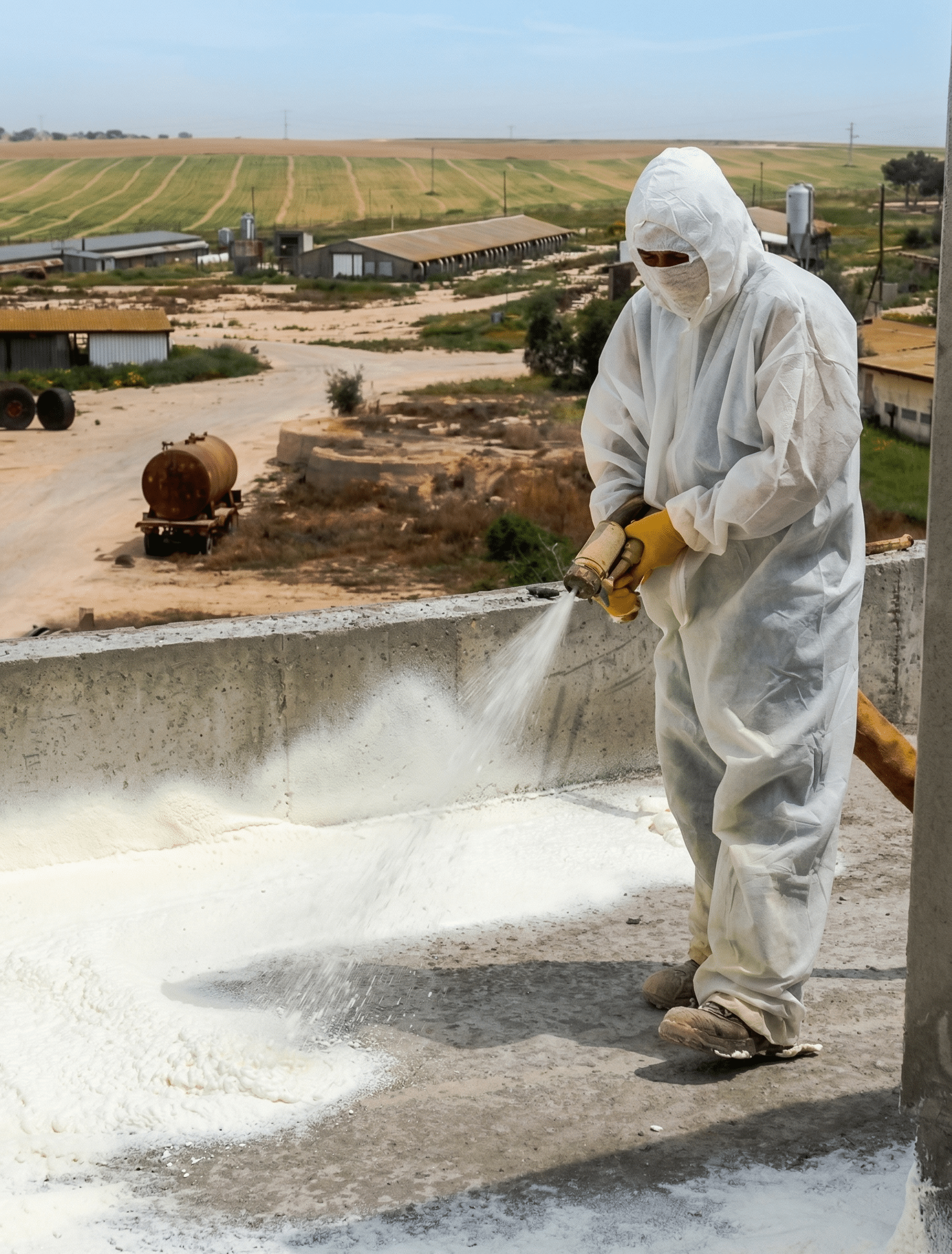
Polyurethane spraying and other advanced application techniques create a continuous, gap-free insulation shell, preventing the formation of thermal bridges (cold bridges) at vulnerable points.
Sprayed polyurethane is applied rapidly with outputs of up to thousands of square meters per working day using a small team.
Polyurethane can be sprayed on flat or curved walls, pipes, and complex connections and details. It can be poured into small or large gaps to interface with a vast array of materials and situations. Additionally, it can insulate double walls, cavities, and complex systems.
Polyurethane has good mechanical strength in both compression and tension, allowing for the application of finish coatings on walls and roofs according to recommended specifications.
Thanks to superior thermal insulation, thinner layers can be used, saving wall thickness and increasing internal usable space.
PU foam manufactured by the company has a B2.1.3 fire classification according to DIN 4102 and meets the requirements of Standard 921 for thermal insulation foams.
The energy saved throughout the product lifespan is dozens of times greater than the energy invested in its production. Thus, polyurethane contributes to resource savings and the reduction of environmental pollution. It can be burned cleanly (in dedicated facilities) without any residue.


Insulation of water heating and solar energy systems Thermal Property Comparison
Material | Maximal Weight (kg/m³) | Thermal Conductivity (W/m²K) |
| Rigid PU foam | 38 | 0.022 |
| Concrete | 2400 | 2.10 |
| Aerated concrete | 500 | 0.16 |
| Glass / Rock wool | >25 | 0.16 |
| Foamed polystyrene | 15–30 | 0.04 |
| Thermal plaster | 400 | 0.115 |
| Raised perlite | <100 | 0.06 |
GWP (Global Warming Potential) is an index used to compare the impact of greenhouse gases on the climate. The higher a material’s GWP value, the more significant its impact on global warming.
The IN-3225Green polyurethane offers all the recognized insulation benefits using advanced technology with a blowing agent that has a GWP of less than 10!
Switching to materials with low GWP (under 10) directly reduces the product’s carbon footprint, maintaining a greener and cleaner environment.
Leave your details and we will get back to you with a relevant quote
השאירו פרטים ונחזור אליכם עם הצעת מחיר רלוונטית