
Polyurethane and the Environment
Polyurethane - An Advanced Solution for Energy Efficiency
Polyurethane is not just an advanced industrial material; it is a materials technology that contributes to energy efficiency and improved long-term thermal performance.
The material helps reduce energy consumption in buildings and systems, contributing to higher operational efficiency.
Energy Savings and Emission Reduction
- Polyurethane is considered an exceptionally high-performance thermal insulation material.
- Insulation significantly reduces the need for heating and cooling in buildings and systems.
- When a structure or system consumes less energy for ongoing operation, the overall environmental impact decreases.
- The energy saved by using one cubic meter of polyurethane insulation is 80 times greater than the energy required to produce it.

The GWP Index GWP (Global Warming Potential)
GWP is an index used to compare the impact of different greenhouse gases on the climate. The higher the GWP value, the more significant its impact on global warming.
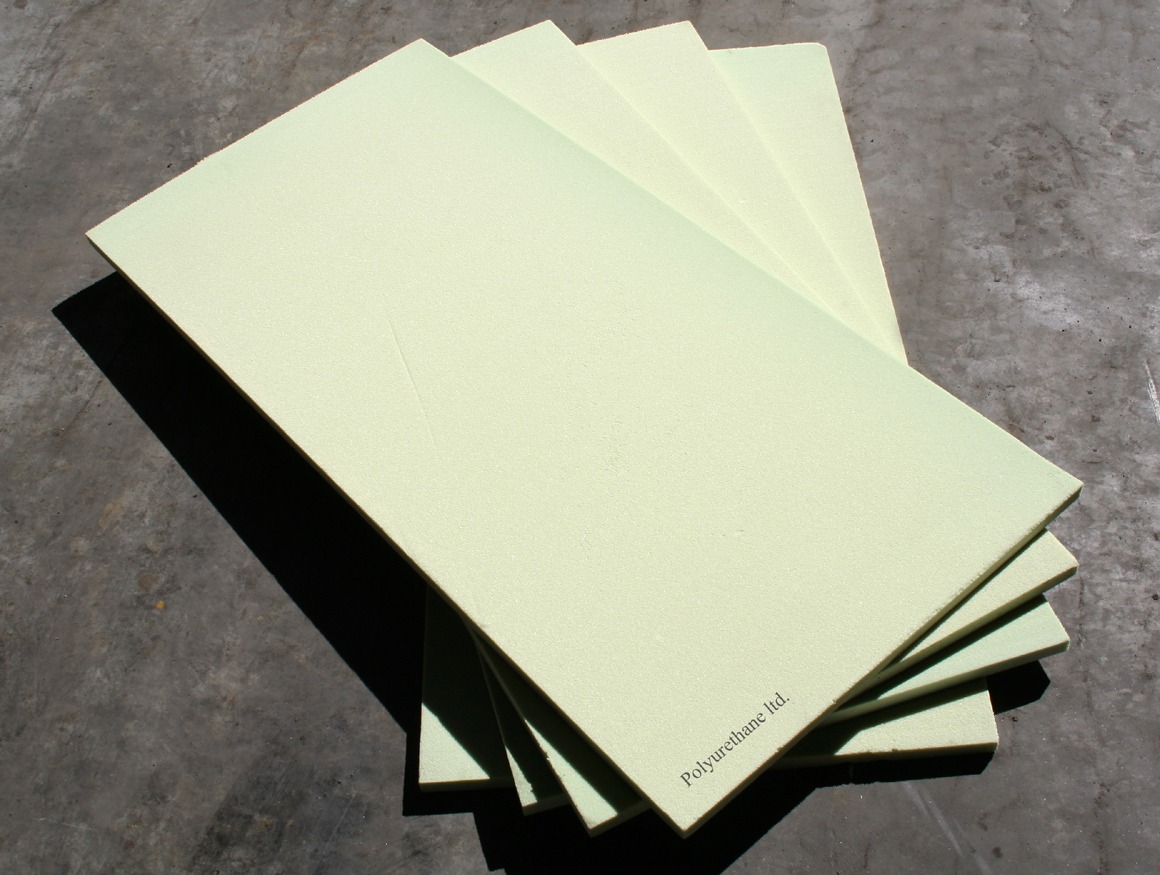
The IN-3225Green polyurethane offers all known insulation benefits using advanced technology with a blowing agent that has a GWP of less than 10!
Switching to materials with low GWP (under 10) directly reduces the product’s carbon footprint, maintaining a greener and cleaner environment.
Continuous and Efficient Insulation
When polyurethane is applied continuously, a uniform and sealed insulation layer is formed, with a significant reduction in thermal bridges and non-continuous joints.
This configuration allows for the maintenance of thermal continuity and contributes to long-term performance improvement.


Environmental Contribution Across the Product Life Cycle
In insulation applications, the energy saved throughout the product’s life cycle is significantly higher than the energy required to manufacture it.
Energy savings continue to accumulate over many years, reducing environmental impact throughout the lifespan of the building or product.
Environmental Safety
Our polyurethane systems are manufactured without ozone-depleting substances, in accordance with advanced international environmental regulations.
This shift began thanks to a major industry-wide effort since the 1980s to replace harmful gases in polyurethane with eco-friendly alternatives.
After the polymerization process is finished, polyurethane is a stable and inert material.
Low Weight and Transportation Efficiency
The low weight of polyurethane relative to its performance allows for weight reduction in structures, products, and vehicles.
This weight reduction contributes to energy efficiency in transportation systems and reduces emissions throughout the product lifespan.
Standards Compliance
Polyurethane is manufactured according to quality, safety, and environmental standards in Israel and worldwide, based on decades of accumulated knowledge and experience.
The materials meet environmental and safety regulatory requirements for the construction and industrial sectors.
Lifespan and Waste Reduction
Polyurethane is characterized by a long lifespan and performance retention over time, reducing the need for frequent replacements and minimizing waste generation.
Polyurethane is recyclable; instead of burning oil, coal, or gas, polyurethane waste can be incinerated in specialized facilities to convert waste into energy. This process releases zero pollutants and reduces waste volume by more than 99%.
Additionally, polyurethane waste can be utilized for energy recovery in dedicated facilities as an alternative to landfilling.