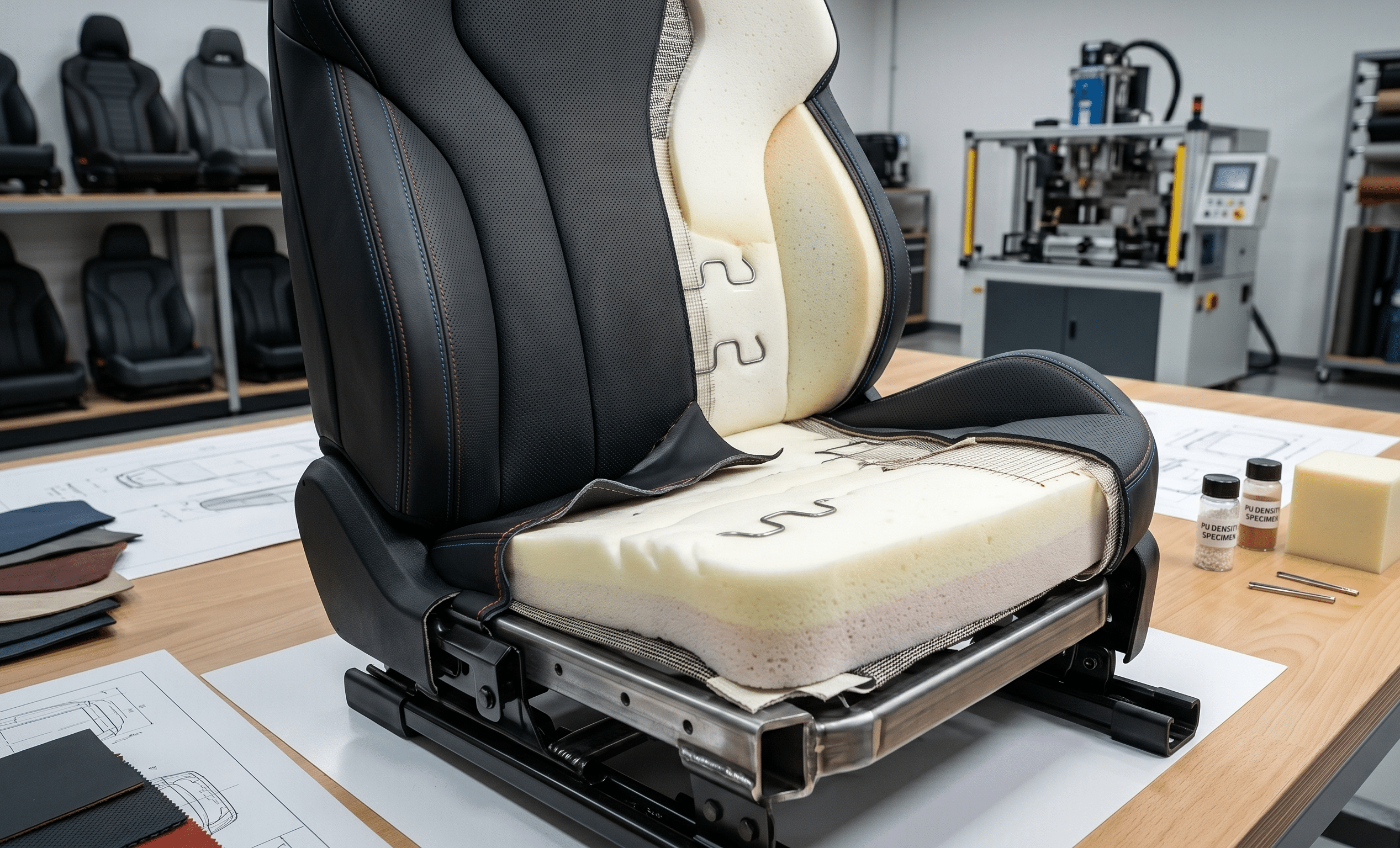
The Material: Polyurethane
Contrary to popular belief, polyurethane is not a single material with fixed properties, but a broad family of materials that can be engineered, all sharing a common basic chemical structure.
Polyurethane ≠ Material
Materials in this technology can vary significantly from one another; therefore, polyurethane should be viewed as a technology rather than a standard off-the-shelf product
Polyurethane = Technology
The ability to customize the material to application requirements positions polyurethane as a leading solution, especially when unique properties and long-term durability are required
How Polyurethane is Formed
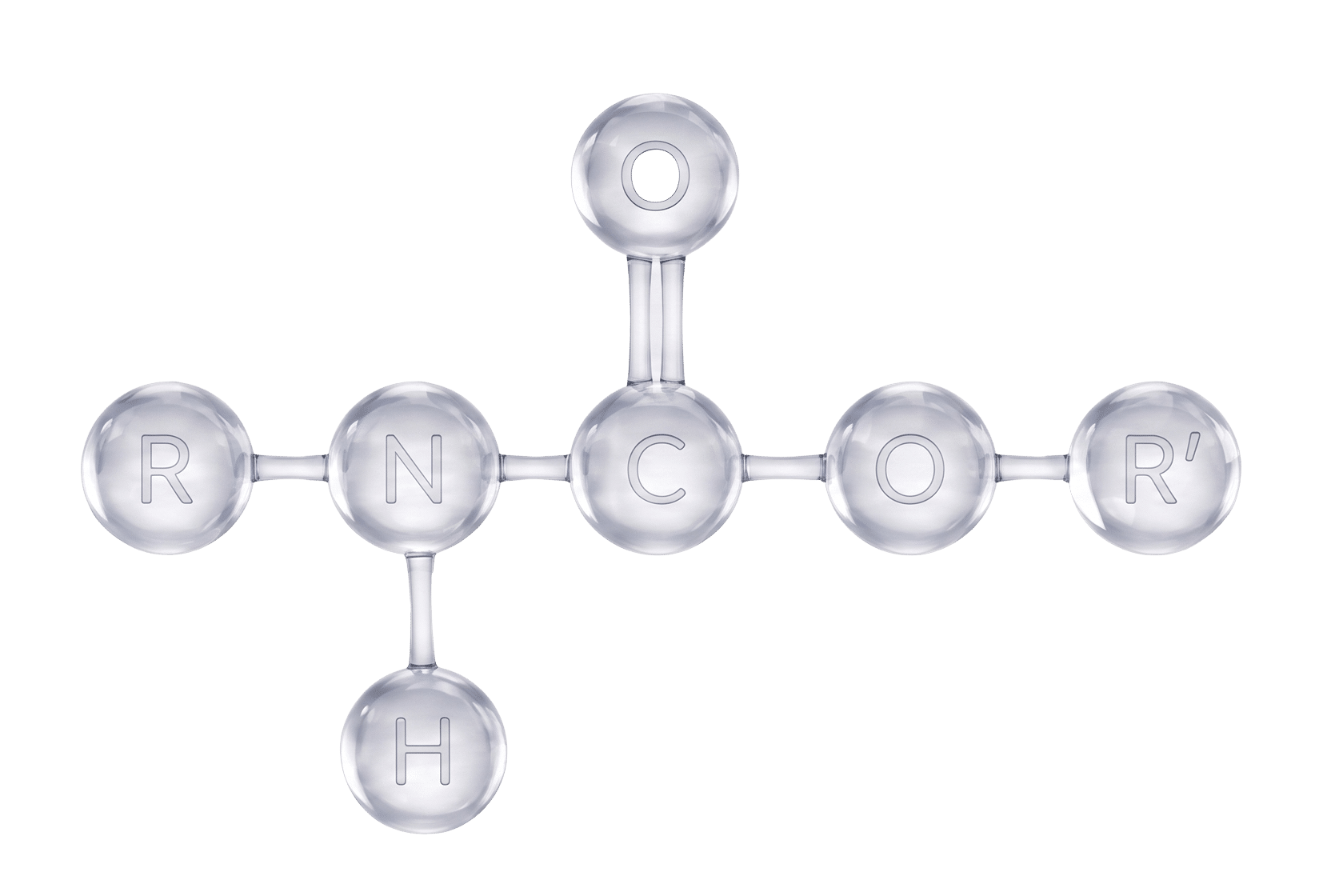
Polyurethane is a polymeric material (two-component thermoset) resulting from a chemical reaction between two liquid components, Isocyanate and Polyol:
- Isocyanate: O=C=N-R-N=C=O
- Polyol: H–O–R’–O–H
During the polymerization process, a final material is formed with properties based on the formulation.
- Process Control – Control over the formulation, mixing ratios, catalysts, and additives allows for determining the final material properties
- Application Matching – Material design and production process planning are carried out simultaneously during the initial development stages, enabling precision and suitability for specific applications
- Adhesion – During the polymerization process, the material bonds and merges with the surface
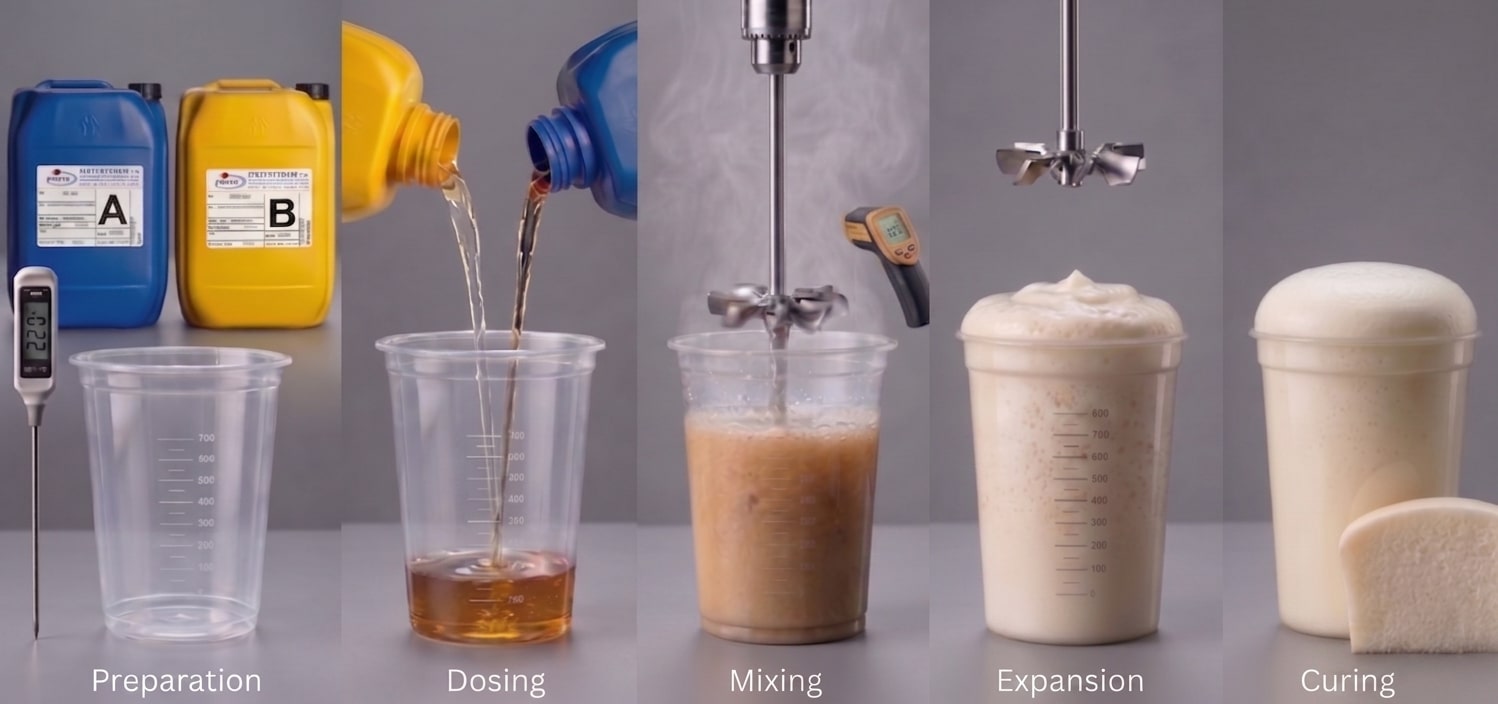
A standard manufacturing process includes Component A and Component B, precise dosing of each, homogeneous mixing, and a polymerization process.
Application Matching
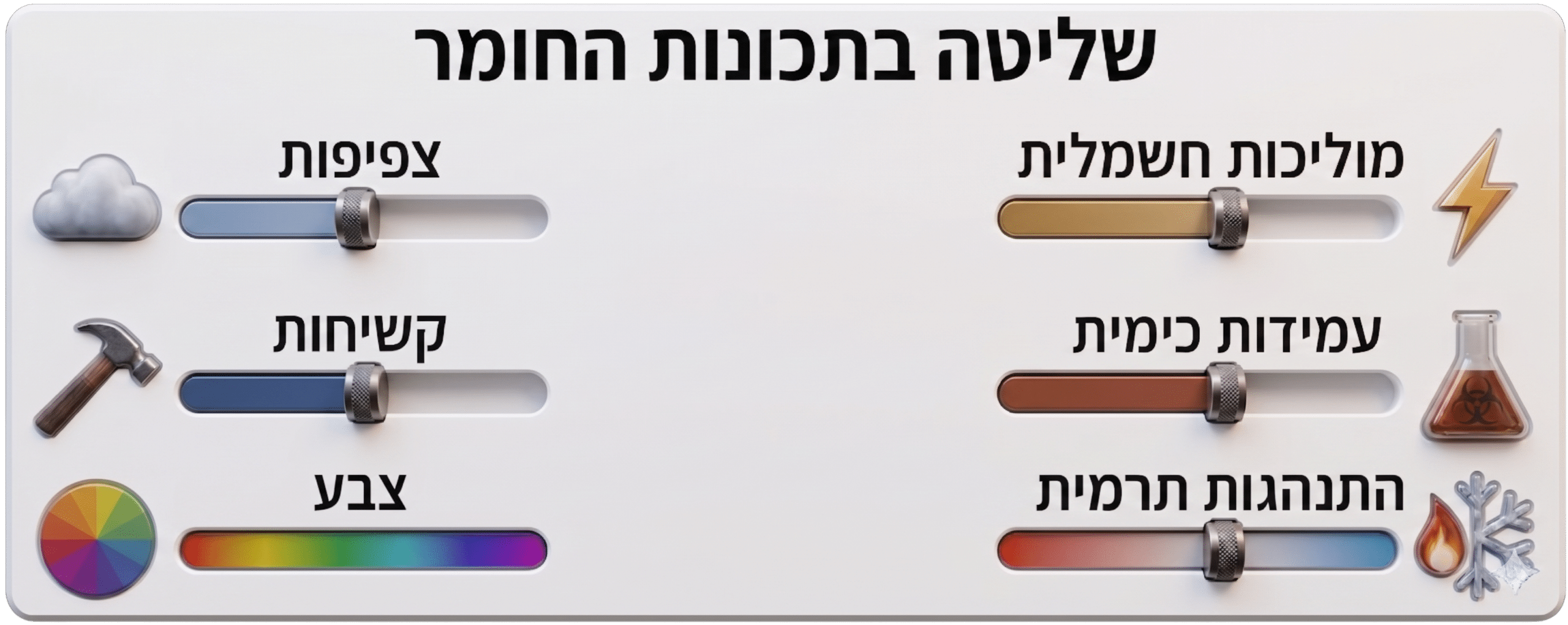
One of the primary advantages of polyurethane is the ability to control material properties according to predefined requirements.
Characteristics such as bulk density, hardness, color, electrical conductivity, mechanical properties, chemical resistance, and thermal behavior can be customized.
This technology enables excellent and efficient matching to diverse manufacturing requirements:
Application Matching
Efficient and Economical Process
High Value for the Price
Proven and Reliable Solution
Wide Range of Properties
The spectrum of polyurethane products ranges from completely solid products with wood-like or metal-like characteristics to flexible materials and ultra-soft foams.
Density Range – Exceptionally wide, from 6 kg/m³ to 1500 kg/m³, allowing for the design of lightweight materials or dense, strong materials
Versatility – The variety of possible configurations and formulations is extensive, supporting a broad array of applications
Application and Production Methods
Polyurethane can be applied through a wide range of industrial production methods:
- Casting
- Injection
- Pouring
- Spreading
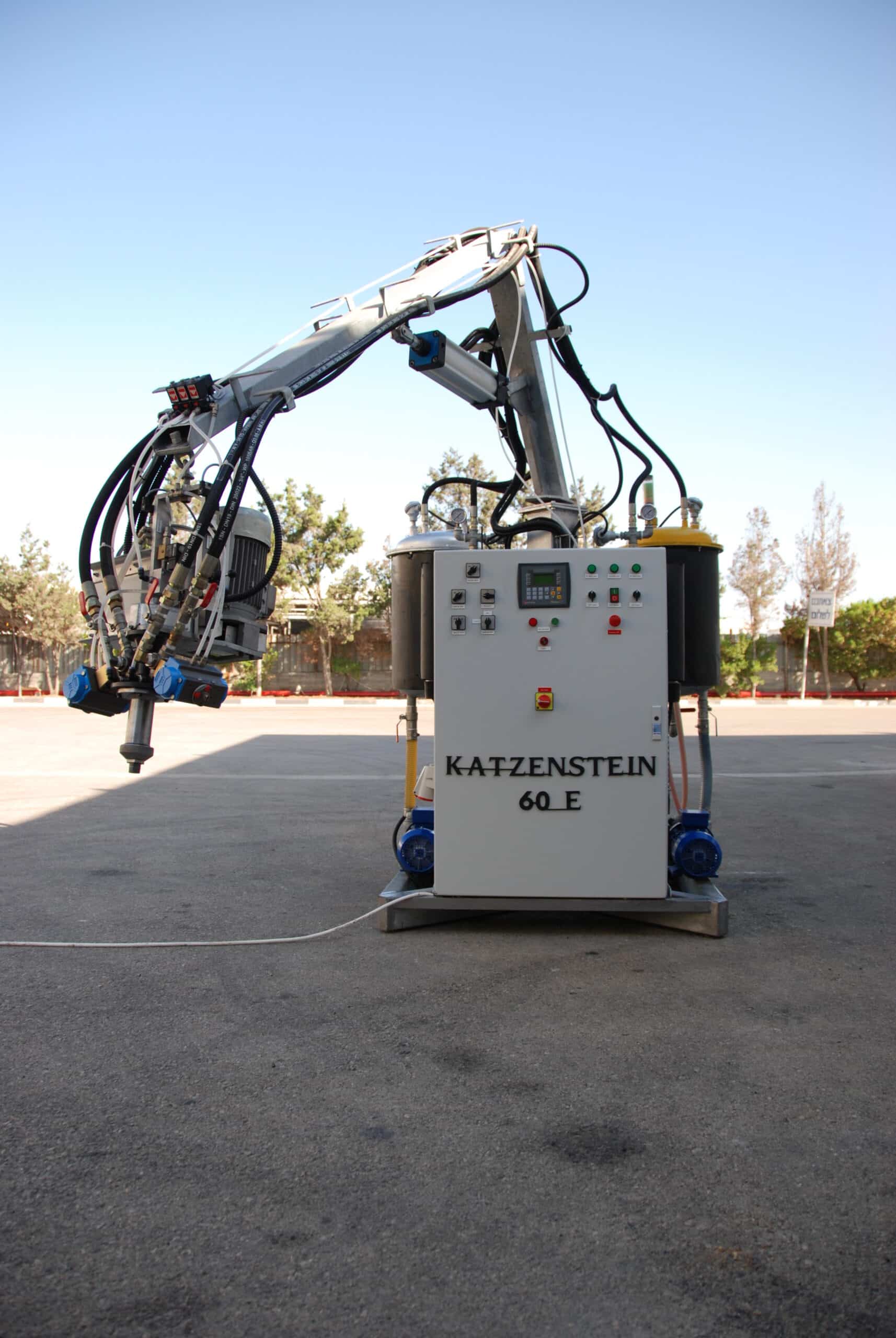
- Spraying
- Rotation
In most applications, there is no need for complex production systems or expensive tools.
Production processes enable relatively rapid development and full customization, contributing to production efficiency and competitive application costs.
Polyurethane for Thermal Insulation
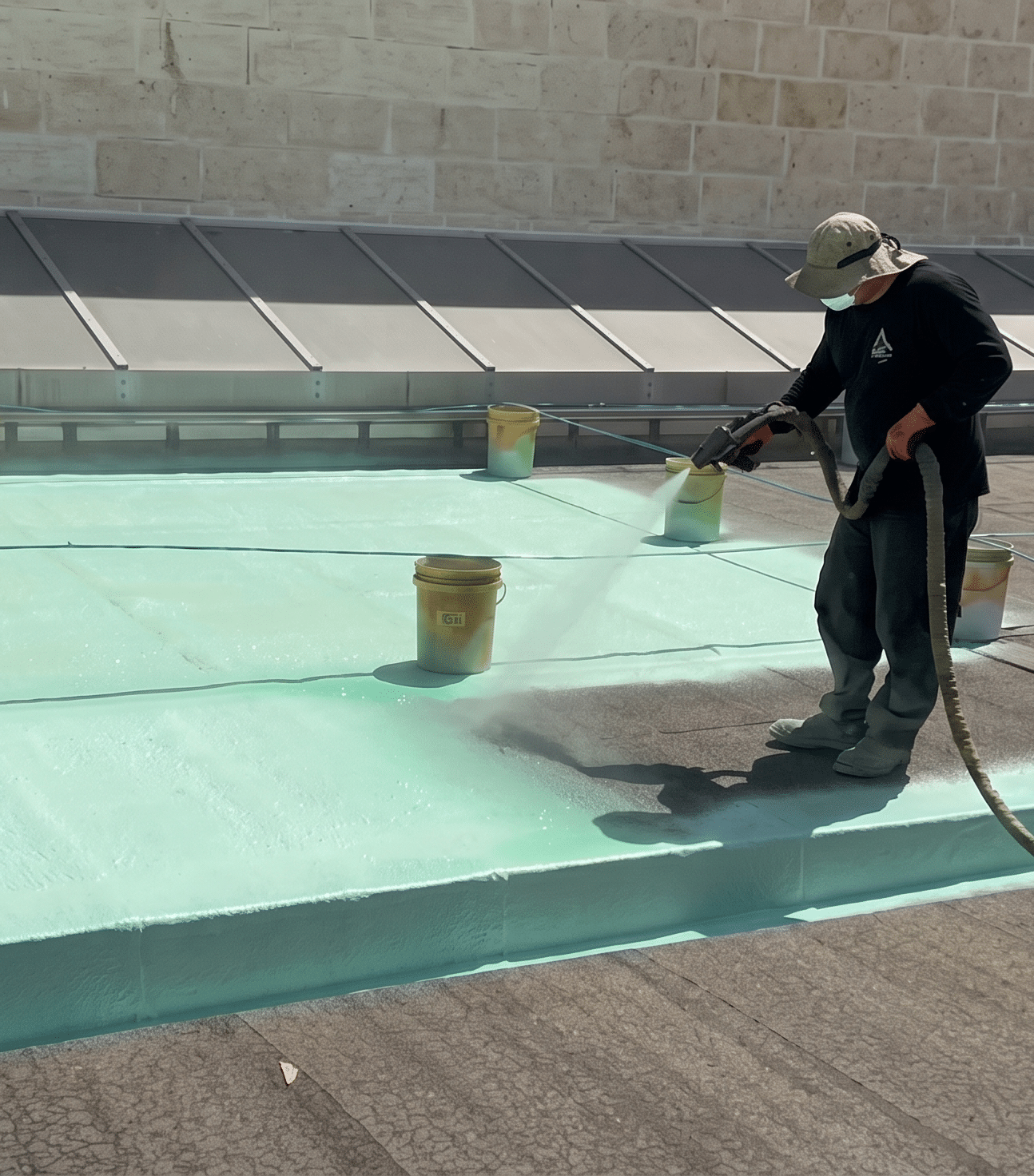
Polyurethane foams are considered the gold standard in construction, particularly regarding the thermal resistance-to-thickness ratio.
They are the preferred insulation materials for:
- Residential building
- Industrial buildings
- Agriculture
- Cold storage
- Household and commercial refrigerators
- Solar energy systems
- Insulated panels for lightweight construction
Industrial Applications
Polyurethane is widely used in numerous industries, including:
- Adhesives
- Medical
- Furniture
- Packaging
- Footwear
- Automotive
Additionally, it is utilized in aerospace, the defense industry, and advanced industrial products.