Arieh Katzenstein was a pioneering industrialist and a man of high values who left a deep mark during his short life.
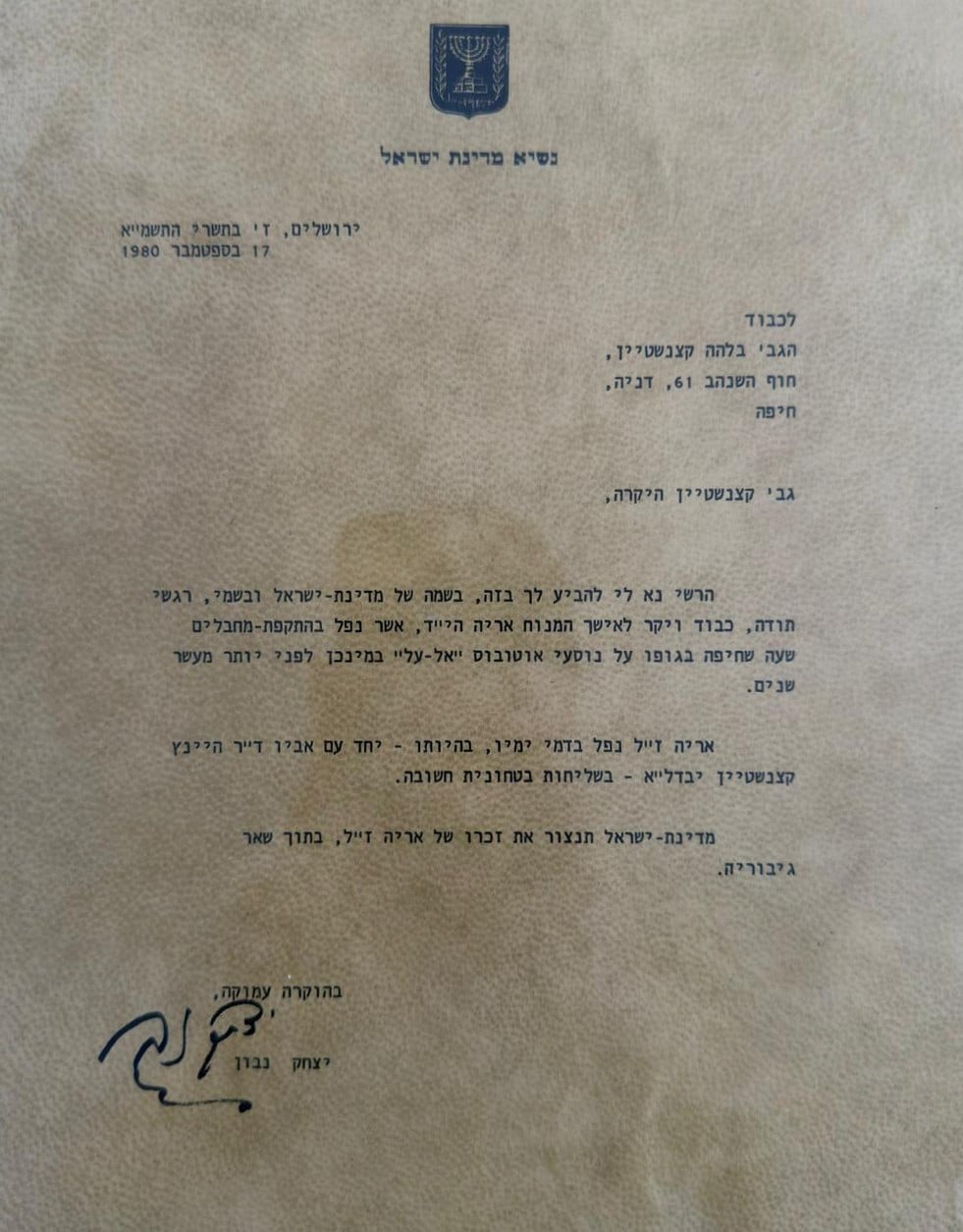
In February 1970, during a terrorist attack in Munich, he managed to throw one grenade out of an El Al passenger bus. Realizing there was no time to save the passengers from the second one, he lay on it, sacrificing his life for others.
Arieh — a son, husband, and father of three — fell as a hero of Israel, saving dozens of innocent lives in a single act of pure bravery. His memory remains a symbol of courage and limitless responsibility.
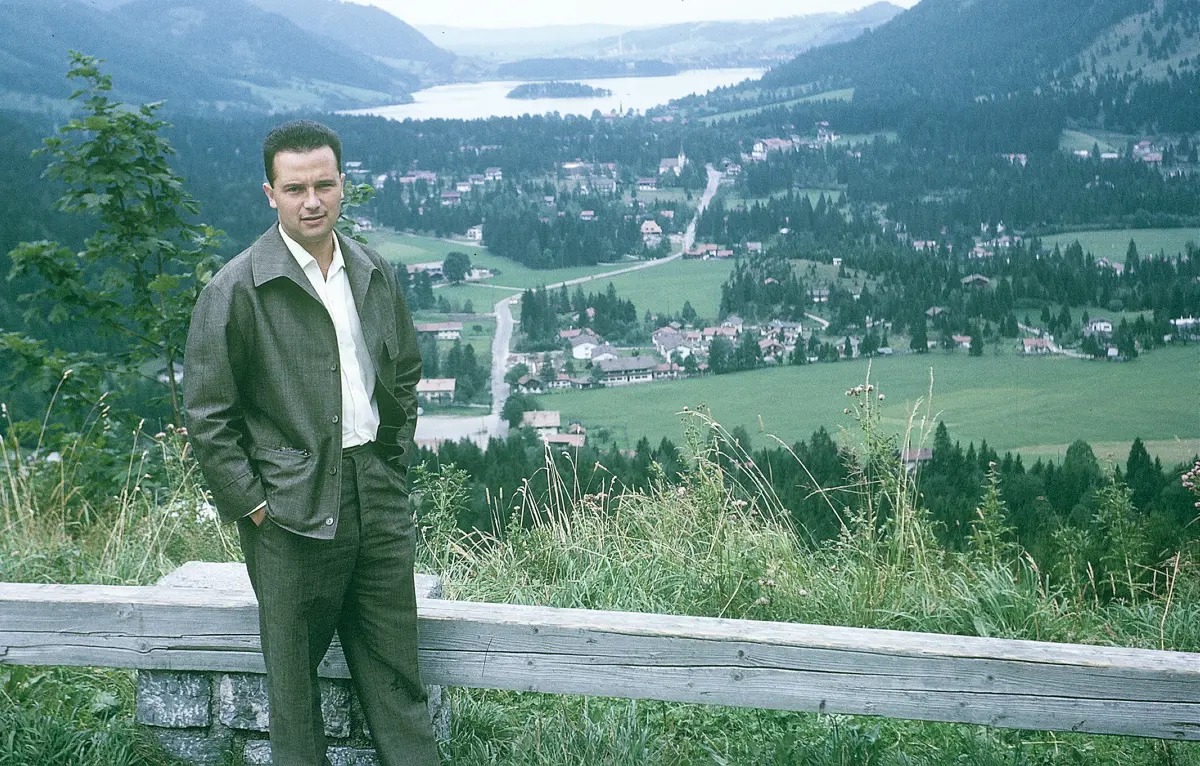
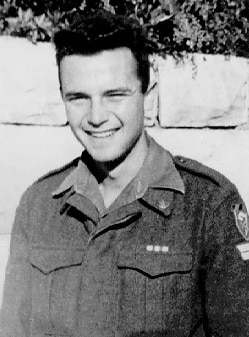
Arieh was the son of Miriam and Yaakov-Heinz Katzenstein — leaders of the industry in the Haifa Bay. He was educated in Haifa and graduated from the Reali School. In the military, he served as a soldier in Brigade 7, and was known as a modest and practical man — traits that guided him throughout his professional and personal life.
After his military service, he traveled to Germany for academic studies. He initially studied veterinary medicine, but driven by personal integrity, he realized that surgical work was not his calling and chose to pivot to architecture and engineering.
In 1961, he married Bilha Levin, and they had three children: Miki, Tami, and Ofer. He set out to build his professional future abroad, balancing a young family with the ambition of establishing a significant industrial plant in Israel.
In the late 1960s, polyurethane was a relatively new field in Israel. Through connections established in Germany, Arieh met Dr. Reuter of BASF and TAG. A business partnership was born between Arieh, his father Heinz, and additional partners, and Polyurethane Ltd. was established in 1968.
The company faced an early crisis in 1969 when Dr. Reuter demanded a new partner. Management refused and purchased Reuter’s share. In response, Reuter refused to sell raw materials or transfer professional knowledge. For Polyurethane Ltd., the crisis was real — without raw materials and organized knowledge, the future of the young factory was in danger.
בתחילת שנת 1970 יצאו אריה ואביו היינץ לאנגליה לחברת BB – חברה המייצרת ומספקת חומרי גלם – במטרה לחתום על הסכם אספקה וידע מוסדר שיבטיח את המשך פעילות המפעל.
באותם ימים לא היו טיסות ישירות, ולכן נדרשה עצירת ביניים במינכן שבגרמניה. עצירה זו, שנועדה לשרת מטרה עסקית ולהבטיח את עתיד התעשייה המשפחתית בישראל, הפכה לרגע היסטורי טראגי.
במהלך חניית ביניים של טיסה 435 של אל על ללונדון בנמל התעופה במינכן, הותקפו הנוסעים על ידי שלושה מחבלים מארגון פת”ח. המחבלים השליכו רימונים לעבר אוטובוס שהסיע את הנוסעים למטוס.
אריה הבחין ברימון שהושלך אל תוך האוטובוס.
במעשה תושייה יוצא דופן הצליח להשליך רימון אחד מחוץ לאוטובוס.
כאשר הושלך רימון נוסף הבין שאין זמן להשליכו, קיבל בשבריר שנייה החלטה גורלית: הוא נשכב על הרימון כדי לספוג את עוצמת הפיצוץ ולהציל את חיי הנוסעים. אביו היינץ נשכב מעליו.
הפיצוץ אירע.
אריה נהרג במקום.
היינץ נפצע קשה ואושפז במינכן למשך שלושה שבועות.
אריה היה ההרוג היחיד בפיגוע – ובזכות הקרבתו נמנע אסון כבד בהרבה.
עשרות נוסעים ניצלו בזכותו.
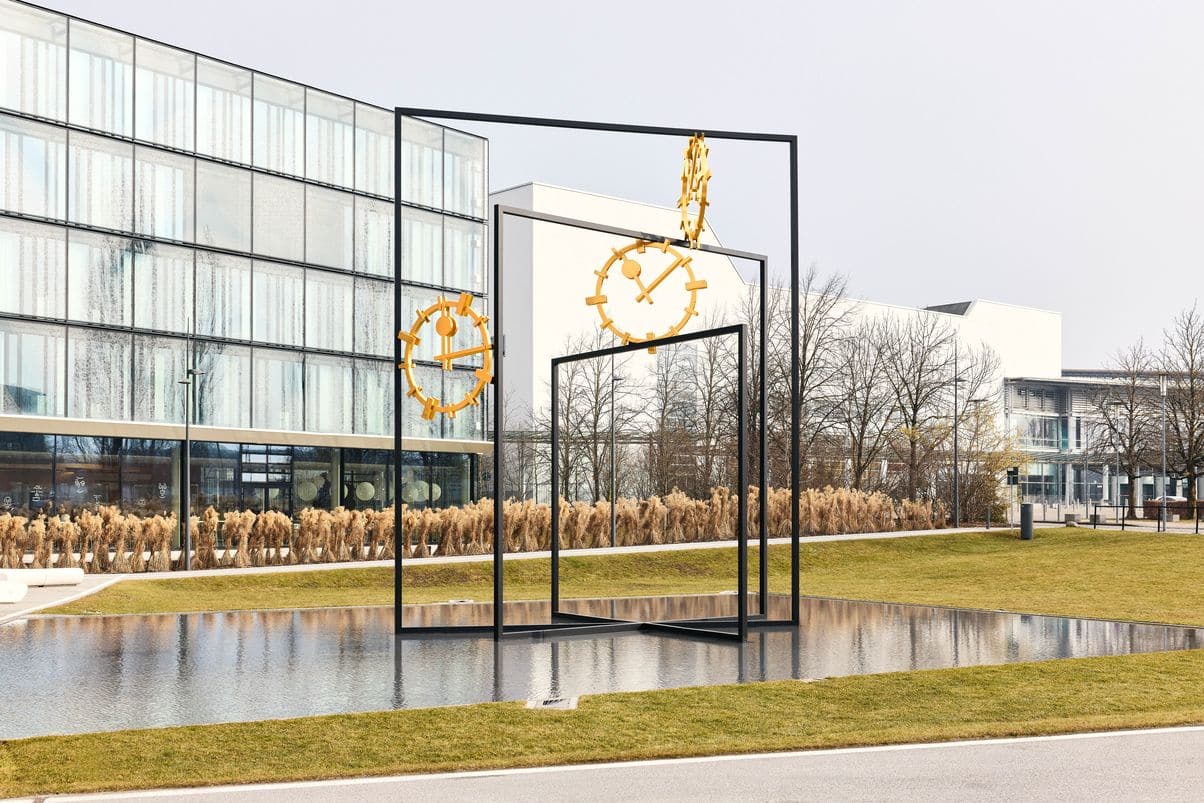
האנדרטה, שעוצבה על ידי האמנית אליסיה קוואדה, מורכבת משלוש מסגרות פלדה עם מחוגי שעונים מברונזה – המסמלים את זמני ההמראה וההגעה של המטוס ואת שעת הפיגוע. בכך הפכה דמותו לחלק מהזיכרון ההיסטורי גם בגרמניה.
establishing advanced industry in Israel despite crises and international barriers
a Brigade 7 soldier, devoted son, husband, and father who acted without seeking fame
the conscious sacrifice of life to save others
Leave your details and we will get back to you with a relevant quote
השאירו פרטים ונחזור אליכם עם הצעת מחיר רלוונטית